Most clients come to us with a site and a concept. They know what they want to build — a warehouse, a workshop, a storage facility — and they’re keen to get moving. The question we get asked constantly is: “Do I actually need a feasibility, or can I just lodge a DA and see what happens?”
The short answer: lodging without one is how projects get killed, delayed by 12 months, or redesigned at cost after the DA comes back with conditions nobody saw coming.
Here’s what a proper planning feasibility actually covers — and why the quality of that report matters more than most clients realise.
What a Town Planner Is Actually Checking
A planning feasibility isn’t just “can I build here?” It’s a systematic review of every layer of control that applies to your site and your proposed use. A thorough assessment covers:
- Zoning & Permissibility The starting point — but not as simple as it looks. Your site’s zone under the Local Environmental Plan (LEP) determines whether your intended use is permitted with consent, permitted without consent, or prohibited outright. Get this wrong and nothing else matters.
- Development Standards The numerical controls: floor space ratio, building height, setbacks, lot coverage, car parking ratios. These define the envelope you’re working within before a line gets drawn.
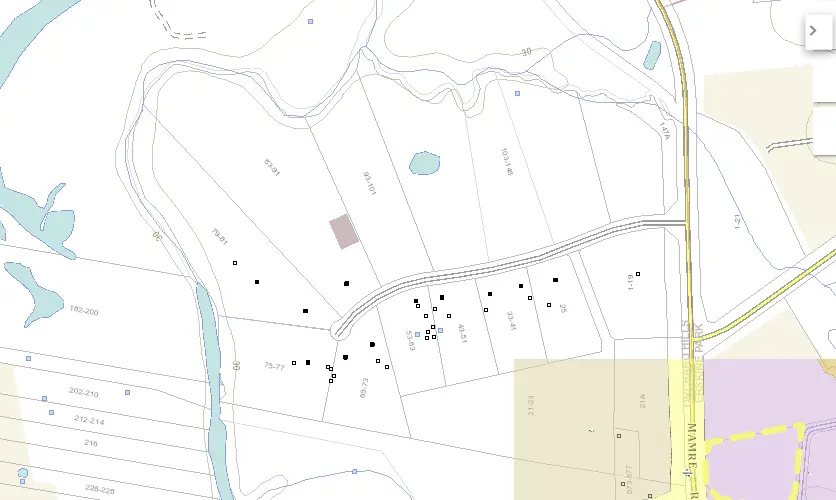
- Overlays & Site-Specific Constraints This is where projects get surprised. Flood planning areas, heritage listings, acid sulfate soils, biodiversity corridors, contamination history, bushfire prone land, aircraft noise contours — these all sit on top of the base zoning and can fundamentally change what’s buildable, at what cost, and through which approval pathway.
- DCP Controls The Development Control Plan layers in the qualitative stuff — built form, facade requirements, landscaping, acoustic attenuation, waste management, loading and servicing. Often where council exercises discretion, and where controls specific to industrial or commercial development can be missed if the brief isn’t precise.
- Infrastructure & Servicing Sewer capacity, stormwater connection points, electricity supply for industrial loads, road access from a classified road — these have cost and timing implications that need to be on the table early.
- Contributions & Levies Section 7.11 and 7.12 contributions can be a material number on commercial and industrial projects. A feasibility should quantify the likely contribution liability before the client commits to the land or the scheme.
- Consent Pathway DA or Complying Development? Who is the consent authority — council, or a Joint Regional Planning Panel? Does the project trigger State Significant Development thresholds? Each pathway has different timeframes, risk profiles, and third-party referral requirements.
- SEPP Applicability Multiple State Environmental Planning Policies can override or modify local controls. Transport and Infrastructure, Resilience and Hazards, Industry and Employment — a planner needs to identify which SEPPs apply and how they interact with the LEP.
- Referrals & Third-Party Approvals TfNSW for road access, NSW RFS for bushfire, Heritage NSW, EPA, Sydney Water, Essential Energy — the list of agencies with a mandatory referral right can be long. Each one adds time and conditions. Knowing who has a say before lodgement shapes the entire programme.
- Title & Tenure Easements, 88B covenants, rights of carriageway, positive covenants — these run with the land and can directly conflict with your intended build footprint. This is non-negotiable due diligence before any acquisition.
- Existing Approvals & Use Rights Prior DAs, deferred commencement conditions, current use rights — the approval history of a site can either work in your favour or impose obligations the vendor hasn’t disclosed.
- Consent Authority Risk Council’s track record with similar applications, neighbour objection likelihood, political appetite for the use type in that precinct — an experienced planner with local knowledge adds real value that a generic report won’t give you.
- Timeline Exposure Assessment timeframes, referral agency lead times, whether a strategic planning process could shift the controls mid-assessment. On a commercial project, time is money — this section alone can determine whether a site stacks up.
- Cost Implications Contribution levies, remediation requirements, flood floor level upgrades, BAL construction ratings, required road works or public domain contributions. These need to be in the feasibility so they go into the project cost model — not discovered during construction documentation.
Why the Quality of Your Feasibility Matters
On a commercial or industrial project, the quality of the brief going in to the planner determines the value of the report coming out.
Here’s what changes when you engage Asset Building to coordinate your feasibility:
- We brief for buildability, not just permissibility. A town planner’s job is to assess planning controls. What they don’t bring is construction knowledge — clearance heights, structural grid requirements, crane access, hardstand loads, services routing. We embed the build requirements into the brief so the planner is assessing your actual project, not a generic concept.
- We know what questions to ask. Over years of delivering industrial and commercial builds across NSW, we’ve seen the conditions that blindside projects — the stormwater easement that cuts through the intended slab, the RMS referral that adds four months, the council that won’t budge on a setback that kills the column grid. We brief to surface those risks specifically.
- We interpret the output. A planning report returns technical findings. We translate that into a buildable position — what the findings actually mean for your structure, your programme, and your cost. That’s a different skill set from producing the report.
- We know when to bring in additional consultants. A contamination flag might mean a Phase 1 environmental assessment. A flood overlay might need hydraulic engineer input before the consent pathway is clear. We coordinate those engagements rather than leaving the client to navigate specialist consultants they’ve never dealt with.
- We carry comparable project intel. Similar builds in the same council area, similar uses on similar constraints — that pattern recognition adds a layer of practical perspective that no desktop report alone can replicate.
When Should You Do This?
Before you exchange contracts on a site — if you can. At minimum, before any significant design spend. A feasibility is the cheapest risk management you’ll do on a project of this size.
If you’re already past that point, it’s still worth doing before lodgement. Surprises at DA stage cost multiples of what they cost to identify earlier.
If you have a site or a concept and want a straight answer on whether it stacks up — get in touch with the team at Asset Building.